Money Matters: Understanding the energy price cap rise and what steps you can take to help bring dow
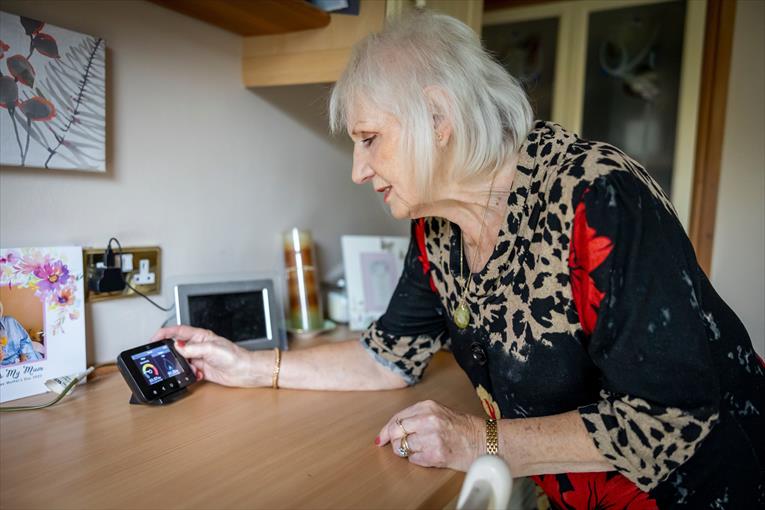
From this week, many are facing an increase in energy bills because of regulator Ofgem's price cap rising.
We know this can be worrying, especially when budgets are already squeezed. In this week’s Money Matters column, we talk through some steps that will help you stay in control and reduce your bills.
As a starting point, we would encourage those whose tariff is affected by the price cap and do not have a smart meter installed to take a reading to avoid their previous usage being charged at the new, higher rate.
Price hikes, driven by the higher cost of gas, may have a relatively small impact during the warmer, summer months due to lower energy use. However, higher bills are expected to carry on into the winter months, which is why it is worth thinking ahead.
One of the best ways to stay on top of things is by making consistent payments throughout the year as spreading the cost can reduce those larger, unexpected bills when the temperature starts to drop.
Keeping up with regular payments throughout the year can ease pressure and help you build a buffer, making winter energy costs more manageable.
As well as spreading the cost of your energy bills throughout the year, many providers offer flexible payment options. Get in touch with your supplier to find out what they can offer to see what suits you best.
Another important step is getting to grips with which of your appliances consume the most energy and adopting smarter ways of using them to bring down your costs.
According to the Energy Saving Trust, households across Britain could save around £45 a year simply by switching appliances off standby mode completely.
Many of us assume that once we switch an appliance off, it stops using electricity, but some devices can continue drawing power in standby mode, quietly using energy day and night.
While the cost of running a single appliance may seem small, multiple devices left plugged in across your home can add up over time.
Devices such as televisions, phone chargers and game consoles can continue to use energy when not in use. Making sure to switch off microwaves and air fryers can also help cut costs and improve safety.
Continued rising living costs can feel overwhelming but remember there is help out there.
If you are worried about paying your energy bills, speak to your energy supplier in the first instance. There are also charities which offer support such as Marches Energy Agency, Energy Saving Trust, LEAP (Local Energy Advice Partners) and National Energy Action.
If you're a Housing Plus Group customer, you can speak to our Energy Advice team for advice and support. Our Energy Advice service is funded by the Cadent Foundation.
2nd July 2026